










Choosing the right baby formula is an important decision for parents. With growing concerns about ingredients, nutritional standards, and regulations, many parents compare European vs. American baby formulas to determine what’s best for their little ones. Here’s a breakdown of the key differences, including ingredients, regulations, and safety standards.
1. Ingredients: What’s Inside Your Baby’s Formula?
When parents compare U.S. and European baby formulas, ingredient sourcing and regulatory standards are often top of mind. While both regions regulate infant formula to ensure safety and nutrition, there are some differences in formulation priorities.
Carbohydrates: Lactose and Other Options
In breast milk, lactose is the primary carbohydrate — and many formulas, both in the U.S. and Europe, use lactose as their main carbohydrate source.
In the U.S., some formulas also use ingredients like corn syrup solids or glucose syrup solids. These ingredients are regulated and approved for use in infant formula, and they can serve specific purposes — for example, in lactose-reduced or specialty formulas designed for babies with certain digestive needs.
European regulations, meanwhile, emphasize lactose as the primary carbohydrate in standard cow’s milk–based formulas, with more limited use of alternative carbohydrate sources in routine formulations.
Other Ingredient Considerations
Probiotics & Prebiotics
These are commonly included in many European formulas and are increasingly found in U.S. formulas as well, depending on the brand.
DHA & ARA (Omega Fatty Acids)
DHA is required in all infant formulas sold in the European Union. In the U.S., DHA and ARA are permitted and widely used, though not universally required.
Additives & GMOs
Both the U.S. and EU maintain strict safety standards for infant formula. The EU does restrict certain additives that are permitted in the U.S., and many European brands choose non-GMO ingredients as part of their formulation standards.
2. Heavy Metal Regulations: EU vs. USA
A major concern for parents is the presence of heavy metals (such as lead, arsenic, mercury, and cadmium) in baby food and formula.
Stricter Heavy Metal Limits in Europe & Required Testing
The European Union has some of the strictest limits on heavy metals in baby formula and food. The EU continuously updates its regulations to reduce the allowable levels of harmful contaminants, ensuring that baby food is as safe as possible.
- Maximum arsenic levels: 0.01 mg/kg in formula (EU) vs. 0.015 mg/kg (U.S.)
- Lead limits: Stricter in Europe due to concerns over neurodevelopmental effects
- Cadmium & mercury: More heavily restricted in the EU, with ongoing evaluations
U.S. Heavy Metal Standards Are Looser
The FDA does not have the same stringent regulations as the EU when it comes to heavy metals. While the FDA has proposed action levels, they are generally higher than those enforced in Europe. This has led to multiple reports revealing higher-than-acceptable levels of arsenic and lead in some American baby formulas and baby food products.

3. Stages & Customization: EU Formulas Are Tailored to Age
European formulas are often categorized by stages to meet the specific nutritional needs of growing babies:
- Stage 1 (0-6 months) – Closest to breast milk, higher in whey protein.
- Stage 2 (6-12 months) – Adjusted for infants starting solids, higher in casein.
- Stage 3+ (12+ months) – Toddler formulas for continued nutrition support.
Most U.S. formulas are marketed as “one-size-fits-all” and are often labeled as “infant formula” (0-12 months), rather than broken down into developmentally appropriate stages.
4. Regulatory Oversight: EU vs. FDA
Both the European Food Safety Authority (EFSA) and the U.S. Food and Drug Administration (FDA) regulate baby formula, but the standards differ.
- EU requires organic ingredients and bans certain pesticides that are still allowed in U.S. baby formula production.
- The FDA requires clinical trials for new formulas, while the EU follows strict guidelines but does not require human trials before approving a formula.
- EU formula companies must prove that their ingredients closely mimic breast milk, whereas U.S. formula regulations are less strict in this regard.
5. Organic Standards: Why European Organic Is Stricter
Many parents look for organic formulas, but did you know that European organic standards are significantly higher than U.S. standards?
- EU Organic Formula: Must be 95% organic, prohibit synthetic pesticides, and ban GMOs entirely.
- U.S. Organic Formula: Can contain non-organic additives and allow some synthetic preservatives.
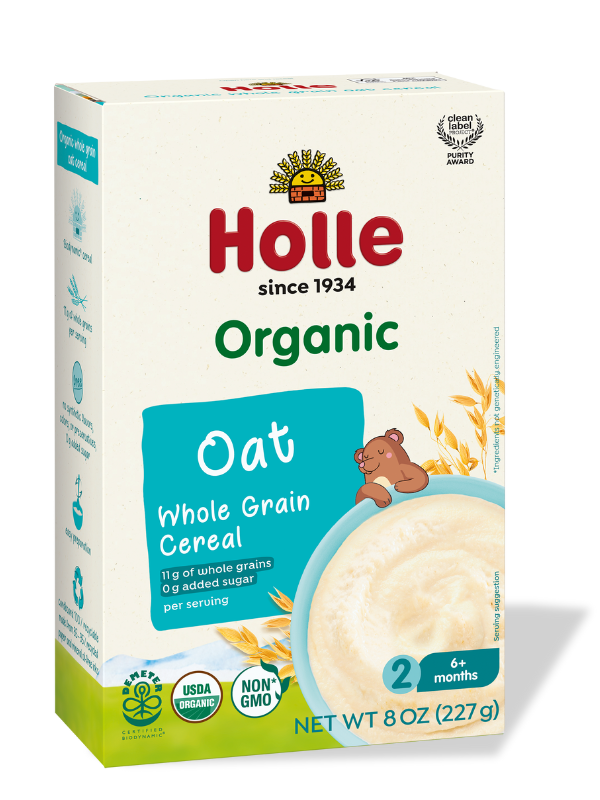
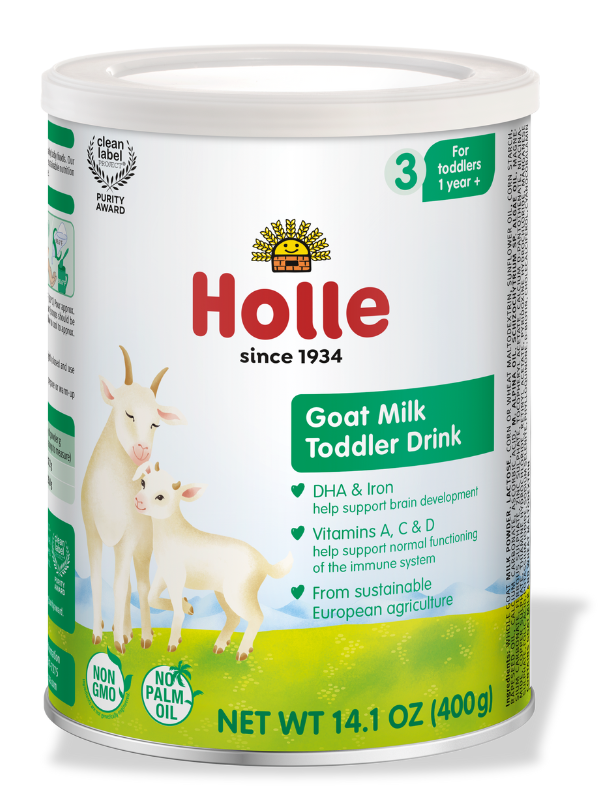
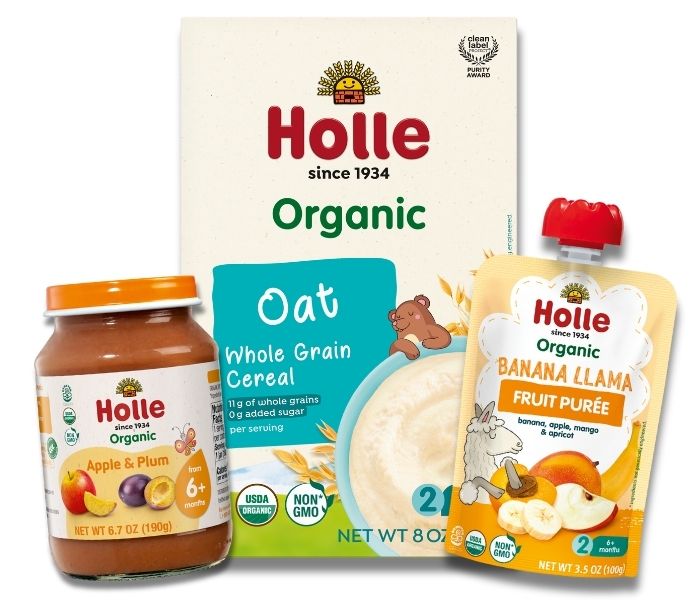
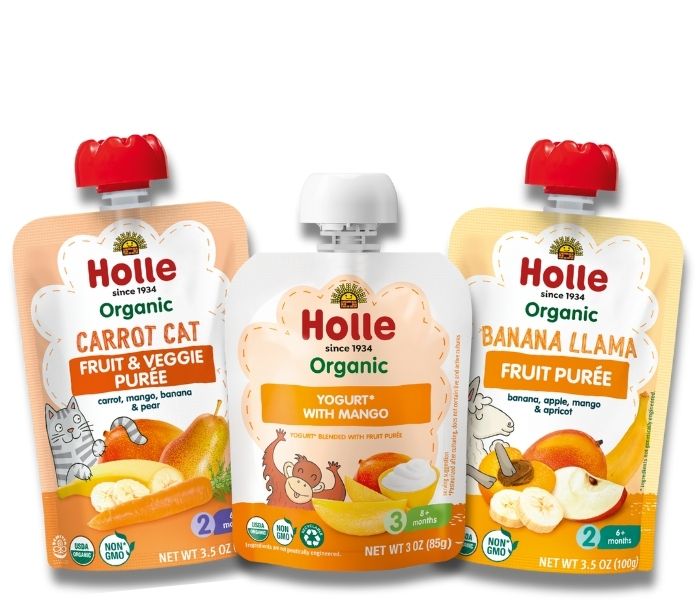
Holle, one of the top European baby formula brands, goes beyond organic by using regenerative farming practices, which further ensures no GMOs, pesticides, or harmful processing methods.
Conclusion: Why More Parents Are Choosing European Formula
With stricter ingredient standards, better nutritional alignment with breast milk, and tighter regulations on contaminants like heavy metals, it’s no surprise that European baby formulas have become increasingly popular in the U.S.
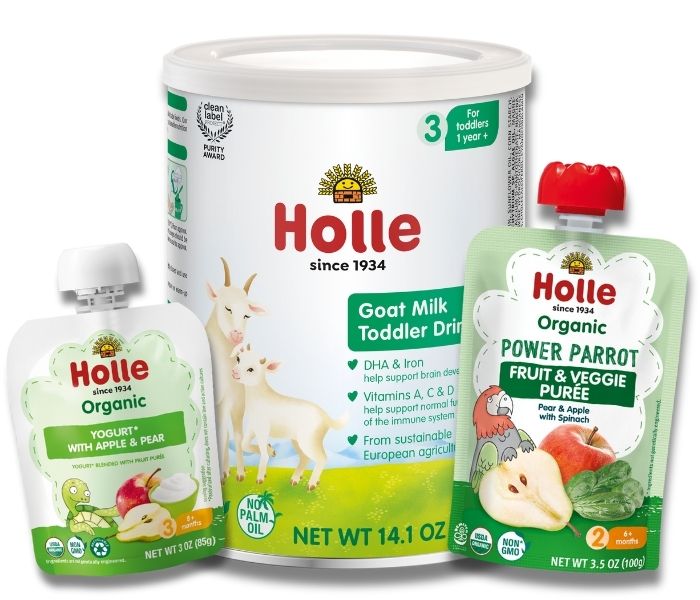
While some American formulas offer high-quality ingredients, many parents opt for European brands like Holle because of their commitment to regenerative farming, heavy metal safety, and transparency in sourcing.Holle milk has also been given the Purity Award by Clean Label Project - a certification awarded to the top 1/3 cleanest products in the category.
If you're looking for clean, nutritious, and trustworthy formula options, Holle stands out as a leading choice for the 12+ month age range.
📌 Looking for Holle Formula? Shop Toddler Drinks
👉 What do you look for in baby formula? Drop your thoughts in the comments below!


